







When it comes to ensuring the safety and comfort of your home, especially during unexpected power outages, whole house generators are indispensable. However, the importance of generator safety cannot be overstated. In areas like Lancaster, PA, where weather can be unpredictable, having a generator is a smart move. But it’s crucial to operate these machines with the utmost care to protect your home and family.
Generator safety is a topic that every homeowner should be well-versed in. It’s not just about keeping the lights on, it’s about ensuring that your backup power source doesn’t become a hazard. From installation to regular maintenance, every step should be approached with safety in mind. This is especially true in regions like Harrisburg, PA, where generators are commonly used due to frequent storms.
Understanding the basics of generator safety can significantly reduce risks such as carbon monoxide poisoning, electrical shocks, and fire hazards. By following best practices, you can enjoy the benefits of your whole house generator without compromising on safety. It’s all about making informed decisions and adhering to safety guidelines that are designed to protect you and your loved ones.
In this essential guide, we’ll explore the critical safety measures and best practices for operating whole house generators. Whether you’re a new generator owner in Lancaster, PA, or looking to brush up on your generator safety knowledge in Harrisburg, PA, this guide is for you. Let’s dive into the world of generator safety together, ensuring your home remains a safe haven, no matter what the weather throws your way.
Understanding the Basics of Generator Safety
Ensuring generator safety starts with proper installation. Professionals must install whole house generators to meet all local codes and standards. This step is crucial in Lancaster, PA, where regulations may vary from other areas. A correctly installed generator minimizes risks such as electrical shocks and fires.
Regular maintenance is another cornerstone of generator safety. Just like any other home appliance, generators require periodic checks to function safely and efficiently. In Harrisburg, PA, for instance, after a heavy storm, inspecting your generator for damage or wear can prevent many safety issues. This includes checking fuel lines, cleaning the unit, and ensuring it’s running correctly.
Educating yourself and your family about carbon monoxide (CO) safety is essential. Generators should always be placed outside, away from windows, doors, and vents to prevent CO from entering the home. Installing CO detectors on every floor adds an extra layer of safety, alerting you if levels become dangerously high. Awareness and proper placement significantly reduce the risk of CO poisoning.
Lastly, understanding your generator’s capacity and how to operate it during an outage is key. Overloading a generator can lead to equipment failure and safety hazards. Always prioritize essential needs such as heating, refrigeration, and lighting. Knowing how to manage your generator’s load ensures it serves its purpose without posing a risk to your home’s safety.
The Importance of Proper Installation
The significance of generator safety begins with its installation, a process that should never be underestimated. In Lancaster, PA, hiring a professional ensures your whole house generator complies with local codes, which can vary significantly. This initial step is critical in avoiding common hazards such as electrical shocks or fires, safeguarding your home and loved ones. A properly installed generator is the foundation of a safe and reliable power source during outages.
Transitioning from installation to operation, generator safety continues to be paramount. It’s essential to familiarize yourself with the operational manual and understand the capacity of your unit. This knowledge prevents the risks associated with overloading the generator, ensuring it runs efficiently. By managing the generator’s load, you maintain a safe environment in your home while meeting your essential power needs.
Moreover, the location of your generator plays a crucial role in maintaining a safe environment. Placing it outside and away from windows, doors, and vents minimizes the risk of carbon monoxide (CO) entering your home. In Harrisburg, PA, and beyond, this practice, coupled with the installation of CO detectors, significantly enhances safety. These steps are vital in protecting against the invisible threat of CO poisoning, ensuring peace of mind.
Lastly, regular maintenance is indispensable for generator safety. After severe weather, inspecting your generator for any signs of damage or wear can prevent future hazards. This includes checking fuel lines and ensuring the unit is clean and functioning correctly. Such preventive measures are essential for the longevity and safe operation of your whole house generator, keeping your home in Lancaster, PA, secure through any storm.
Routine Maintenance for Safe Operation
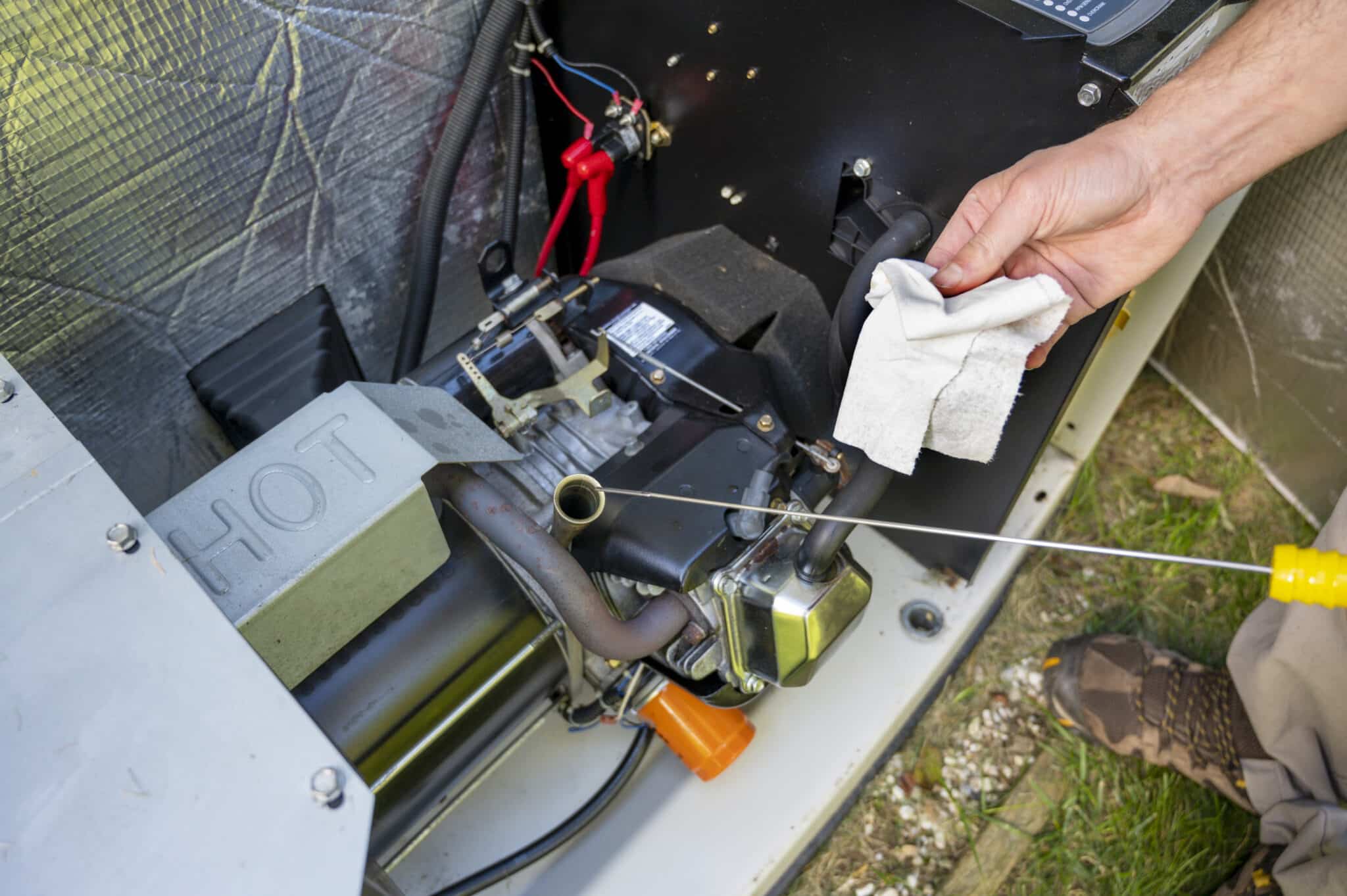
Routine maintenance for your whole house generator is not just a recommendation, it’s a necessity for ensuring generator safety. In Lancaster, PA, seasonal changes can affect the performance of your generator. By scheduling regular check-ups, you can catch potential issues before they become serious problems. This proactive approach keeps your generator ready for any unexpected power outage.
One of the key aspects of maintenance involves checking the fuel system. Fuel lines should be inspected for leaks or damage, as these can lead to dangerous situations. In Harrisburg, PA, it’s also wise to ensure your fuel supply is fresh and adequate for emergency situations. Stale fuel can cause your generator to malfunction when you need it most.
Another important step is testing your generator regularly. This ensures it starts and operates as expected when the power goes out. Running your generator also allows you to verify that all connections are secure and that the unit is producing the correct output. It’s a simple yet effective way to maintain peace of mind regarding your home’s safety.
Lastly, keeping your generator clean and free from debris is crucial. A clean generator is less likely to overheat and will operate more efficiently. Check the area around your generator to ensure it’s clear of leaves, twigs, and other materials that could obstruct airflow. A well-maintained generator is a safe generator, providing reliable power to your home without added risks.
Generator Safety Tips During Use
When using your whole house generator, it’s vital to adhere to specific safety tips to ensure everyone’s well-being. First, always check that your generator is operating in an open area to prevent carbon monoxide from accumulating. This practice guards against the invisible, odorless gas that can be deadly if it enters your home. Keeping your generator in a well-ventilated space outside minimizes this risk, making it a top priority for generator safety.
Another crucial tip involves regularly inspecting your generator’s cords and connections. Ensure all wires are intact, without frays or cuts, to avoid electrical hazards. Using damaged cords can lead to short circuits or fires, posing serious risks to your home and family. By maintaining the integrity of your generator’s connections, you contribute significantly to the overall safety of your power setup.
It’s also essential to be mindful of the electrical load your generator is supporting. Overloading your generator can cause it to overheat, leading to potential malfunctions or even fires. Prioritize connecting essential appliances and devices to prevent overburdening your system. This approach not only ensures your generator runs efficiently but also prolongs its lifespan, keeping you powered through any outage.
Lastly, always turn off your generator and let it cool down before refueling. Adding fuel to a hot generator can ignite the fuel, causing a fire. This precautionary measure is simple but critical in preventing accidents. By following these generator safety tips, you ensure a safer environment for your home in Lancaster, PA, or Harrisburg, PA, during every use.
Identifying and Avoiding Carbon Monoxide Risks
Understanding and mitigating the risks associated with carbon monoxide (CO) is a fundamental aspect of generator safety. CO poisoning can be silent and deadly, making it imperative to place your generator correctly. Always position it outdoors, far from windows, doors, and vents to prevent CO from sneaking into your home. This practice ensures the air inside your Lancaster, PA home remains safe and breathable during power outages.
Equipping your home with carbon monoxide detectors on every level adds a crucial layer of protection. These devices alert you to the presence of CO, providing an opportunity to take action before levels become hazardous. It’s a simple step that significantly enhances the safety of your home in Harrisburg, PA, and gives you peace of mind. Regular testing of these detectors ensures they are always ready to perform when you need them most.
Educating everyone in your household about the signs of CO poisoning is also vital. Symptoms like headache, dizziness, weakness, upset stomach, vomiting, chest pain, and confusion should trigger immediate action. Recognizing these signs can lead to a swift response, potentially saving lives. It’s a key component of comprehensive generator safety, ensuring everyone knows how to react in an emergency.
Finally, never underestimate the importance of professional installation and regular maintenance of your generator. A well-installed and maintained generator reduces the risk of CO leaks, among other hazards. In both Lancaster, PA, and Harrisburg, PA, relying on professionals for these tasks can make all the difference in keeping your home safe. This approach to generator safety protects not just your property but, more importantly, the health and well-being of your family.
Electrical Hazards and Generator Safety
Understanding and preventing electrical hazards is a crucial aspect of generator safety. When operating a whole house generator in Lancaster, PA, ensure that it’s connected to your home’s electrical system by a qualified electrician. This step prevents backfeeding, which is dangerous for utility workers and neighbors. Proper installation safeguards against electrical shocks, protecting everyone involved.
Generator safety also involves using heavy-duty, outdoor-rated extension cords if necessary. These cords should be free from cuts or tears and have a grounding pin. In Harrisburg, PA, residents should ensure cords are placed away from high-traffic areas to avoid tripping hazards. Keeping cords in good condition and correctly positioned minimizes the risk of electrical accidents.
Another important measure is to never bypass the generator’s built-in circuit breakers. These breakers are designed to prevent overloading, which can cause fires or damage your electrical appliances. If a breaker trips, it’s a sign that the system is overloaded and needs immediate attention. Responding promptly to these signals ensures your generator operates safely and efficiently.
Lastly, always turn off the generator and allow it to cool before performing any maintenance or inspection. This practice is essential to avoid burns or other injuries. Regular checks for frayed wires or loose connections can further enhance safety. By adhering to these guidelines, residents of Lancaster, PA, and Harrisburg, PA, can enjoy the benefits of their whole house generators without compromising on safety.
Safe Fuel Storage and Handling
Storing fuel safely is a key component of generator safety, especially in Lancaster, PA, where many rely on whole house generators. It’s important to keep fuel in approved containers designed for long-term storage. These containers should be placed in cool, well-ventilated areas away from living spaces. This practice prevents accidental ignition and ensures fuel is ready when needed.
In Harrisburg, PA, residents understand the importance of checking fuel quality before use. Over time, fuel can degrade, which might cause your generator to run inefficiently or not start at all. Using fresh fuel helps maintain your generator’s performance and safety. Always dispose of old or contaminated fuel in accordance with local regulations to avoid environmental hazards.
Handling fuel with care is another critical aspect of generator safety. Always refuel your generator when it is turned off and cool to avoid fires. This precaution minimizes the risk of spillage and vapor ignition, which can lead to dangerous situations. Wearing protective gloves and ensuring good ventilation during refueling can further enhance safety.
Lastly, educating yourself and your family on the proper procedures for fuel storage and handling contributes to a safer home environment. Knowing how to correctly store and handle fuel prevents accidents and ensures your generator is ready for use when needed. By following these guidelines, you can enjoy the benefits of your whole house generator without compromising the safety of your home and loved ones.
Preparing for Emergencies: A Generator Safety Checklist
As we delve deeper into generator safety, it’s crucial to have a checklist ready for emergencies. This ensures that your whole house generator in Lancaster, PA, is prepared to provide reliable power without compromising safety. A well-thought-out checklist includes verifying that the generator is in good working condition and ensuring that all safety protocols are in place. This proactive approach minimizes risks, allowing you to rely on your generator when you need it most.
One key item on the emergency checklist is to test carbon monoxide detectors regularly. In Harrisburg, PA, where generators are a common fixture in homes, ensuring these detectors work properly can be a lifesaver. It’s also important to review the placement of your generator, making sure it’s outdoors and far from any openings to prevent CO from entering your home. These steps are simple but critical in maintaining a safe environment.
Another essential part of the checklist involves reviewing how to correctly shut down your generator. Knowing how to safely turn off your unit can prevent accidents and prolong its lifespan. It’s equally important to familiarize yourself with the process of restarting the generator, ensuring it’s done safely and efficiently. This knowledge is invaluable, especially during prolonged power outages.
Lastly, keeping emergency contact numbers handy is a wise precaution. Should any issues arise that you’re not equipped to handle, knowing whom to call for help can make a significant difference. This includes having the contact information for a professional generator service in Lancaster, PA, and emergency services in Harrisburg, PA. Being prepared with this information ensures you have the support you need, whenever you might need it.

Frequently Asked Questions
What is generator safety?
Generator safety involves practices and measures to use whole house generators without risks. It ensures your family and home stay safe during operation. By following guidelines, you prevent accidents and damage. Proper use and maintenance are key to achieving this safety.
How to maintain a generator?
Maintaining a generator is crucial for ensuring its longevity and safety. Regularly check oil levels, replace filters, and test the system to catch issues early. It’s also important to have a professional inspect it annually. Following these steps can keep your generator running smoothly and uphold generator safety standards.
Can generators be used indoors?
Generators should never be used inside homes or enclosed spaces. Doing so can lead to dangerous carbon monoxide buildup, posing serious health risks. Always place them outside, ensuring they’re far from windows and doors to keep your family safe. This practice is a fundamental part of generator safety, protecting against potential hazards.
What are the risks without generator safety?
Ignoring generator safety can lead to serious hazards. Without proper precautions, there’s a risk of fire, electrical shocks, and carbon monoxide poisoning. These dangers not only threaten personal health but also can cause significant property damage. Ensuring adherence to safety guidelines protects your family and home from these potential risks.
How often should generators be tested?
Testing your generator regularly is crucial for maintaining generator safety. Aim to run a test every month to ensure it’s functioning correctly. This routine check helps identify any issues early, preventing potential hazards. By adhering to this practice, you keep your home and family safe and your generator in top condition.